

Over the weekend, geopolitical tensions in the Middle East intensified following the collapse of US-Iran ceasefire negotiations in Pakistan. Washington attributed the breakdown to Iran’s unwillingness to commit to dismantling its nuclear weapons programme, while Tehran maintained that the US must first demonstrate trustworthiness. The development has already placed renewed upward pressure on global oil prices, with expectations of disruptions to crude supplies heading to China.
International Market Developments
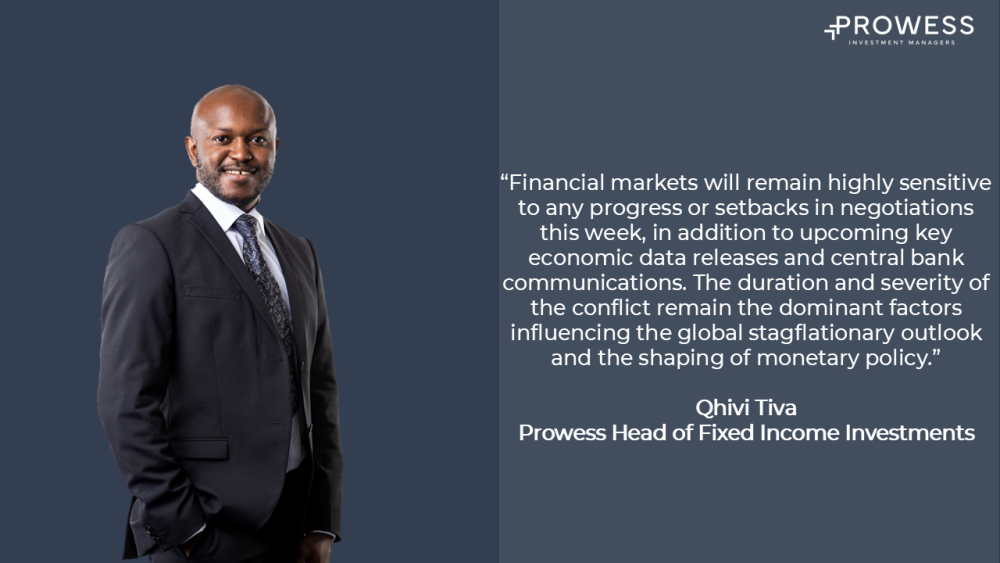
While diplomatic backchannels continue to offer a limited prospect for de-escalation — potentially through a 45-day ceasefire framework — the latest ultimatum and Iran’s firm position highlight ongoing risks. Financial markets are expected to remain highly sensitive to any progress or setbacks in negotiations this week, in addition to upcoming key economic data releases and central bank communications. The duration and severity of the conflict remain the dominant factors influencing the global stagflationary outlook and the shaping of monetary policy responses worldwide.
In the United States, March headline CPI rose sharply, driven by higher gasoline and energy components, reflecting the initial pass-through of elevated energy costs. Core inflation measures, however, remained relatively contained. Consumer sentiment indicators, including the University of Michigan survey, reached record or multi-decade lows as inflation expectations continued to rise. Federal Reserve meeting minutes underscored the difficult dual-mandate environment, with policymakers balancing signs of labour market softening against persistent upside risks to inflation stemming from the geopolitical conflict.
This week’s IMF-World Bank Spring Meetings in Washington are anticipated to deliver important updates. IMF Managing Director Kristalina Georgieva has previously indicated potential downgrades to global growth forecasts and higher inflation projections across various scenarios due to the asymmetric shock from the Iran situation. Major central banks, including the Federal Reserve and the ECB, have maintained cautious policy stances, emphasising a data-dependent approach amid heightened geopolitical uncertainty.
Local Market Developments
South Africa continues to face indirect but meaningful spillovers from the Middle East conflict, primarily through higher global fuel prices and potential disruptions to import channels. February CPI data surprised on the soft side at 3.0% y/y, but this reading predates the bulk of the war-related energy shock. April fuel price adjustments were sharply higher, likely pushing headline inflation closer to or above the SARB’s 4% upper target band in the coming months.
The road freight sector has issued strong warnings of potential business closures. Diesel, which accounts for 35-55% of operating costs, increased by 32.5% in April despite the fuel levy reduction. Road Freight Association (RFA) CEO Gavin Kelly highlighted declining bulk fuel purchases and falling freight volumes, noting that further price hikes in May and June could lead to widespread business failures. The sector has urged urgent reforms in the logistics sector. Meanwhile, South African Airways (SAA) continues to face pressure from higher jet fuel costs, although passenger demand has remained resilient thus far.