

Globally, energy market risks remain elevated on the back of the continued tensions in the Middle East, while locally, South Africa participated in the BRICS Business Forum summit in New Delhi
International Market Developments
Global energy market risks remain elevated amid continuing tensions in the Middle East. In the Iran war, talks between Iran and Gulf states on arrangements relating to the Strait of Hormuz were postponed, reflecting continued disagreements over maritime security and shipping. According to Omani officials, the meeting was delayed as further consensus was required among participants. At the same time, US President Donald Trump stated that he still expects the seven-month conflict to end before year-end. However, there are no clear indications of either formal peace negotiations or a revival of the earlier US-Iran memorandum that had briefly suspended hostilities.
Both sides remain focused on maintaining coercive pressure, leaving the outlook characterised by continued confrontation, heightened risks to Gulf energy infrastructure and shipping, and limited near-term prospects for a negotiated breakthrough.
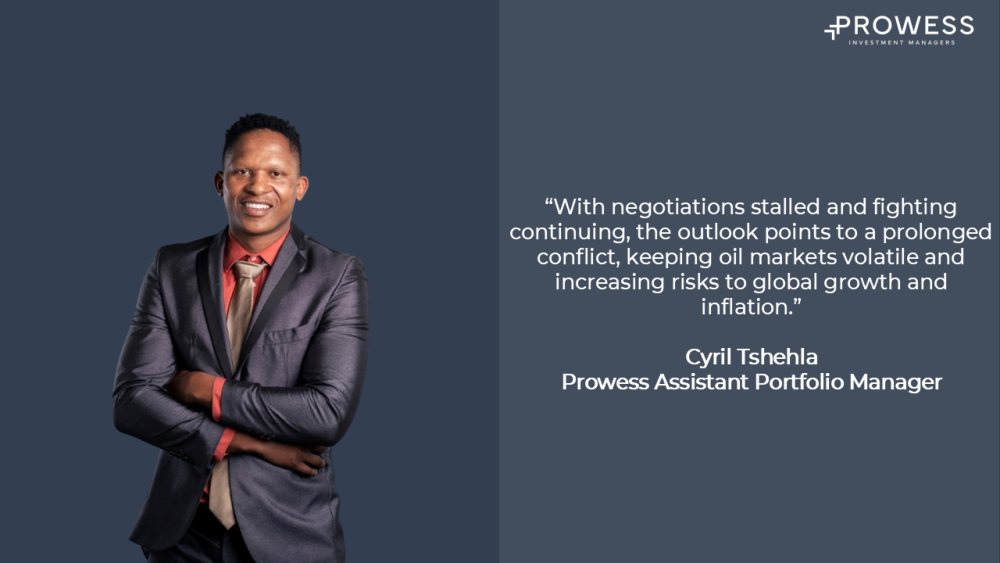
Energy market risks therefore remain elevated, with ongoing fighting around key shipping routes and energy infrastructure threatening global oil supplies. The broader international community has become increasingly involved in efforts to contain the economic and geopolitical fallout from the conflict. The Iran conflict also remained a key issue ahead of the BRICS Summit, given its potential implications for global trade, energy markets and broader economic stability. With negotiations stalled and fighting continuing, the outlook points to a prolonged conflict, keeping oil markets volatile and increasing risks to global growth and inflation.
US CPI inflation for August came in line with expectations at 3.4% y/y, unchanged from July. On a monthly basis, CPI increased by 0.4%, also in line with expectations, following a 0.1% increase in July. Higher gasoline and energy prices were the main contributors to the monthly increase, reflecting the earlier rise in oil prices associated with Middle East tensions. Core CPI moderated to 2.4% y/y in August, from 2.5% y/y in July. The data indicates that inflation will remain above the Fed’s 2% target, while persistent energy-related price pressures could reinforce a cautious stance among policymakers.
The Fed is scheduled to meet on Wednesday, and market rates are pricing in an increase of 25bps. Fed Chair Kevin Warsh has previously indicated that he wants unfiltered market signals to guide his assessment of economic conditions.
Local Market Developments
President Cyril Ramaphosa called for greater Indian investment in South Africa’s critical minerals, infrastructure, energy and manufacturing sectors at the India-South Africa Business Leadership Roundtable in New Delhi. More than 150 Indian companies have already invested in South Africa, with Ramaphosa highlighting several areas where bilateral economic ties could be expanded further.
South Africa also participated in the BRICS Business Forum ahead of the leaders’ summit in New Delhi. BRICS leaders were scheduled to meet on 12 and 13 September for their annual summit. The bloc now comprises 10 full members, accounting for around a quarter of global nominal GDP and roughly half of the world’s population.
However, divergent geopolitical alignments, trade interests and currency ambitions remain key obstacles to deeper cohesion within the group. These differences could continue to constrain the bloc’s ability to establish a more coordinated economic and financial agenda, particularly around trade, investment and the development of alternative currency arrangements.